
Using glass for interiors
There are so many ways that glass can be used, but interior designers generally concentrate on the interior environment centred around space or structure. This doesn't mean, however, that designers are restricted to aesthetics that only draw from the manmade, the modern or the architectural. One of the great benefits of glass in interior design is that it not only offers a chance to invite the outside world in, but also allows the creation of a vision of more space.
'Inviting the outside in' is a phrase that is often used but doesn't always provide a detailed insight as it would be a little like leaving a door open... So let’s look at this a different way: glass can allow you to draw on the outside world for a degree of visual stimulation. This approach provides a seamless link from the outside flowing from the exterior space to the interior. This feature is invaluable for designers who want to enhance a room or give a feeling of a bigger space to some aspects of their interiors. For many years, design has been fascinated by the concept of reduction – with a minimalist design, or just simply removing clutter – but now we are focusing on how glass can be used to create a feeling of more space!
So, we look at the installation of large glass feature walls connecting the garden to the home, with the continued flow of tiled flooring replicating the same design internally and externally, plants and urban wooden pieces carrying design elements such as tables and chairs or alfresco dining areas, into outside spaces.
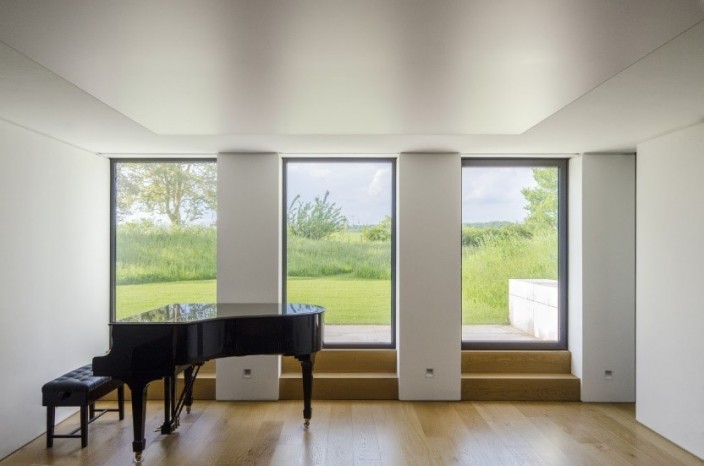

While glass walls need thick supporting frames, you could look at a more cost-effective technique by creating frameless panels to almost any size. This can have such a profound effect on any interior space! Glass walls without doubt provide a sense of horizontal continuity and this can create a more "framed" view with the illusion that the interior space does indeed extend beyond the location of indoors! The installation of this design creates a backdrop which adds the idea of a practical but not necessarily complicated glass wall. While certain glass features might be used for a backdrop, the idea of connecting buildings is my absolute favourite! Installing glass links or other products involving frameless glazing are often used and combined, not only in historical or listed buildings, but also in more modern buildings, because they offer a totally unobtrusive impact.
So how else can we use glass in the home? A few examples include:
Glass basins – these are in our showroom and are used instead of your standard white porcelain basin! Overall they are a stunning piece that will never date.

Splashback for kitchens – you can use glass for so many different themes and meanings. I love this fluid gold and silver marble effect that is being used as a splashback for this contemporary kitchen.

Made-to-measure room dividers – glass partition walls allow daylight to enter the space, regardless of whether it has a window or not. A high proportion of glass elements in residential buildings increases light and the possibility of solar energy. In addition, it can heighten the feeling of well-being among the residents in the home.

Strive for Design founder Leigh Hall is an interior designer in Cambridge and offers telephone consultations and on-site appointments, so please call us on 01223 622 688 for an initial discussion.